In the intricate web of Iran’s foreign policy, two enduring challenges dominate: its fraught relationship with the United States and the long-standing nuclear impasse. These issues cast a long shadow over regional dynamics, where events in the Middle East often hinge on them, even as international relations resist neat categorizations into independent and dependent variables, unfolding instead through cycles of mutual influence. Factors such as Israeli regime’s strategic maneuvers, the actions of other regional players, energy transit routes—especially those supplying China—and the security of vital waterways like the Persian Gulf and the Sea of Oman must be considered. Add to this the ambitious development agendas of southern Persian Gulf states, which require a delicate balance of growth and stability.
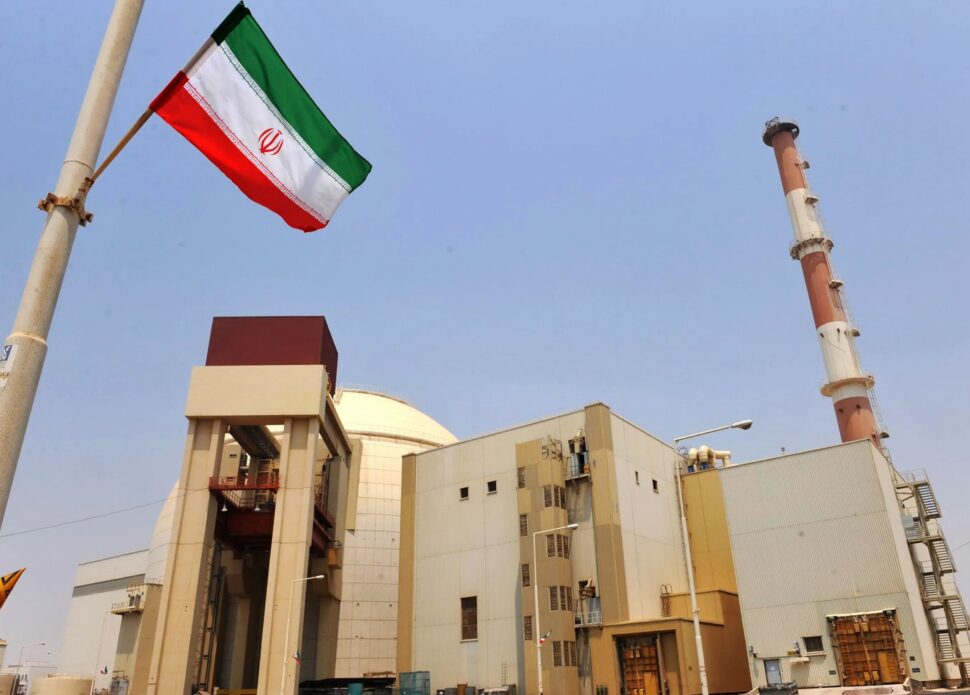
At the forefront stands the nuclear question, a stark and immediate choke point in Iran’s dealings with the West, particularly Washington. Any forward-thinking analysis must grapple with extricating the parties from the current deadlock, now more labyrinthine than ever amid recent U.S. policies under President Trump, including a 12-day military strikes targeting Iranian nuclear sites and fresh points of contention.
The entrenched positions—America’s outright denial of enrichment rights versus Iran’s insistence on them as an unequivocal, enshrined entitlement—exacerbate the tangle. Europe’s pivot toward disengagement with Tehran, spurred by the Ukraine conflict, and Israel’s unyielding sabotage of Iran’s diplomatic overtures only heighten the stakes.
Navigating this morass calls for blueprints that sidestep rigid governmental orthodoxies. This is the domain of autonomous yet pivotal think tanks globally, tasked with impartial innovation: crafting solutions that honorably untangle the knot without coercing or favoring any side.
The notion of a nuclear consortium, though not original and dating back decades, has perennially stumbled over formidable barriers. Prominent proposals include a forward-looking regional model advanced in academic writing by Dr. Javad Zarif, Iran’s former foreign minister and a collaborative exploration by Seyed Hossein Mousavian, a seasoned Iranian diplomat and his associates. The emphasis here lies not on dissecting those specifics but on weighing the consortium’s merits against its persistent impediments.
What elevates the consortium as a pragmatic bridge between maximalist demands is its creation of shared regional stewardship over peaceful, civilian nuclear endeavors. This counters the opacity surrounding Israeli regime’s undeclared but substantial nuclear stockpile. For the international community—the West, China, and Russia alike—assurance is paramount that Iran’s dominant regional nuclear know-how steers clear of militarization, averting a perilous arms competition in the Persian Gulf and broader West Asia. Meanwhile, Iran, Saudi Arabia, and smaller non-nuclear neighbors resist exclusion from the nuclear energy frontier, which could erode their energy-sector edges over time. They seek substantive integration into the knowledge, tech, regulatory, and R&D streams of this domain, which extends beyond weaponry, as seen in Japan, South Korea, and Argentina.
Nations like the United Arab Emirates have acquired reactors through imports, yet without indigenous expertise, these fall short of fulfilling broader technological aspirations. Iran’s clear technological superiority in the field offers a compelling draw for regional partners. Such collaboration would ease immediate apprehensions, dial down escalation risks, and foster a secure environment for investments—crucial for Arab economies.
Ironically, the severe U.S. assaults on Iranian facilities, coupled with Trump’s uncontradicted assertions of their obliteration, may now pave the way for broader acceptance. Participants can position their involvement as strategic self-interest rather than duress. Iran might frame it as rebuilding its program via cooperative frameworks, redeploying experts, and pursuing development attuned to authentic national imperatives, including dignity and sovereignty. Neighbors like Turkey and Saudi Arabia could swiftly gain absent capabilities, neutralizing potential uncertainties over Iran’s activities. Washington could declare its security objectives achieved, rendering further aggression or penalties unnecessary. Europe, upholding its principles amid a Trump-era U.S., might incrementally revive trade and engagement with Tehran. The arrangement could even appeal more to China, Russia, India, and beyond, serving as a blueprint for West Asian cohesion that credits all involved.
Obstacles persist, chief among them Israel’s aversion to any harmonized structures, particularly Islamic-led ones, which it perceives as threats amplifying its isolation. Since the mid-1990s, Tel Aviv has pursued a strategy of framing Iran’s nuclear activities—and its regional posture—as security perils, redirecting animosities toward Tehran and away from itself. Normalizing Iran’s program, actions, or diplomacy would invite concerted disruptions.
The enrichment site’s location remains a tinderbox in U.S.-Iran discord. Omitting the complete fuel cycle from Iranian territory could impose safeguards at key junctures, quelling valid worries. Bolstering this: consortium-wide oversight across all facilities, rigorous IAEA verifications, and collective resolve to marginalize peripheral disputes. Siting options along Iran’s southern periphery or Persian Gulf islands might emerge as a viable middle ground. Legacy facilities need not dictate terms—sharing, closure, or expansion can adapt flexibly, with fresh sites unburdened by prior constraints.
Tehran would invariably seek sanction relief, the delisting of its nuclear dossier from IAEA governors, the U.N. Security Council etc., affirmed by Western states. This would dignify the normalization of Iran’s political and economic ties. Iran could further assert, unilaterally, its sovereign enrichment prerogative, suspending pursuits in line with national priorities.
Regrettably, much in Iran’s nuclear narrative was preventable, yet diplomacy thrives on feasibility amid prevailing conditions. A consortium uniting non-weapon states like Iran, Saudi Arabia, and Turkey with powers including the U.S., European trio, Russia, and China could reframe the nuclear conundrum as a catalyst for enduring, accountable partnerships. It delegates tasks by comparative advantage, potentially forestalling war’s precursors.
This equitable strategy, seemingly the lone bulwark against renewed hostilities, has been sidelined by war’s bitterness and rifts. That conflict, as witnessed, produced no decisive winner: Iran suffered gravely but proved military coercion futile in shifting its stance. Only diplomacy can reconcile all, channeling Iran toward pacific goals. Intermediaries excel not in mere messaging but in championing fleshed-out ideas that persuade without demanding ideological surrender, sealing the issue durably. The JCPOA-style accord exceeds today’s political bandwidth and actors; isolated fixes invite flanking attacks. Hard-liners everywhere stand eternally opposed.